
Key Points
- Start winterization before freezing weather creates a problem. Cleaning, covering, shutting down water, and checking safety-sensitive components are different tasks, not one quick closing routine.
- Outdoor kitchens, fire features, and water features do not all winterize the same way. Follow the product documentation for your installed components and do not guess about fuel, electrical, plumbing, or pump systems.
- Homeowners can handle routine cleaning and storage. A qualified professional should address gas connections, electrical components, water lines, pumps, or any system that needs diagnosis or repair.
A St. Louis backyard does not need to be abandoned for the winter, but the equipment that makes it enjoyable does need a plan. If you need to winterize an outdoor kitchen in St. Louis, begin with a practical freeze-protection landscaping plan rather than a single cover. An outdoor kitchen with a sink, a gas fire feature, and a pond or fountain each have components that can be affected by freezing temperatures, moisture, debris, or improper shutdown.
The real goal is not to cover everything and hope for the best. It is to protect the components you have, avoid unsafe shortcuts, and make reopening the space in spring simpler. This guide explains what to check, where homeowners can take care of routine work, and when it is wiser to call a professional.
1. Begin with an inventory of every freeze-sensitive component
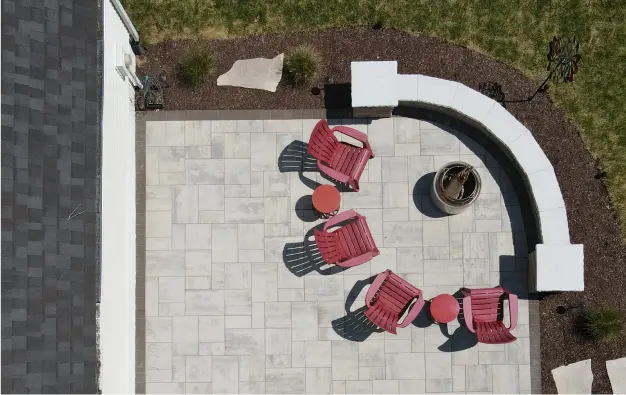
Before cleaning or covering anything, list what your outdoor space actually includes. A built-in grill and countertop are different from a kitchen with a sink, refrigerator, ice maker, beverage center, gas line, and electrical outlets. A wood-burning fire pit is different from a gas fire table or a built-in fireplace. A fountain, pond, waterfall, or integrated water wall can each have a different winter routine.
Use this inventory to gather product manuals and identify components that need manufacturer-specific instructions. If you cannot identify an appliance, valve, pump, or control, do not experiment with it. A quick photo and consultation with the original installer or a qualified service professional is safer than guessing.
| Feature | Common components to identify | Why the detail matters |
|---|---|---|
| Outdoor kitchen | Grill, sink, plumbing, refrigerator, ice maker, gas connection, electrical outlets | Each component may have a separate shutdown, cleaning, or cover requirement. |
| Fire pit or fireplace | Wood-burning or gas system, ignition, burner media, fuel connection, controls | Fuel type and ignition design affect what should be inspected or serviced. |
| Water feature | Pump, filter, plumbing, valves, lighting, basin, pond, fountain, or waterfall | Freezing water and a pump running without proper water conditions can damage components. |
| Outdoor living area | Covers, furniture, lighting, drainage, patios, and nearby plantings | The surrounding space affects safe access and seasonal moisture control. |
2. Clean first so a cover does not trap a season’s worth of grime
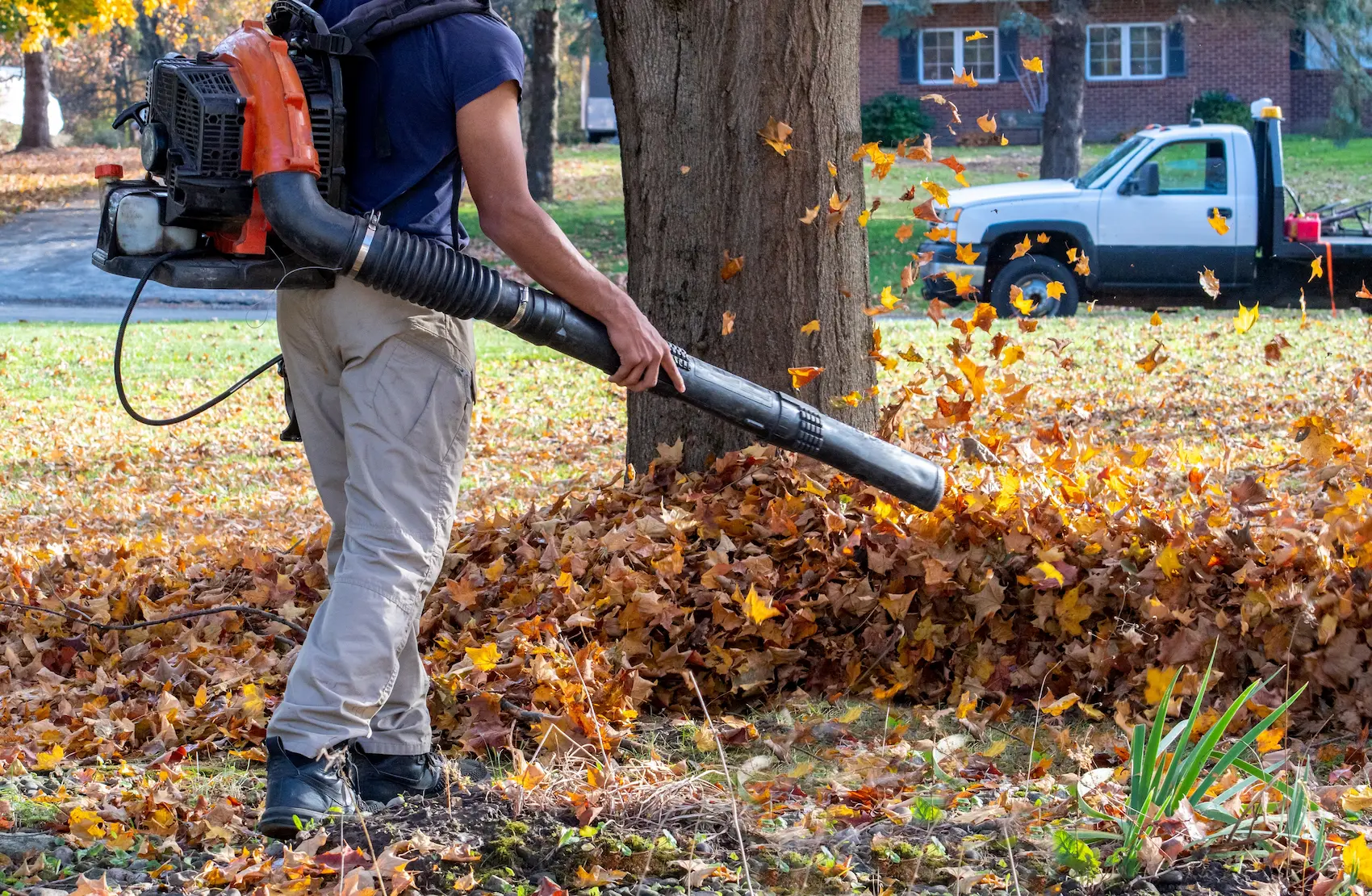
Winter covers protect best when they are placed over clean, dry surfaces. Start by removing food residue, grease, leaves, ash, loose debris, and standing water. The purpose is not only appearance. Moisture and organic debris left in place can create stains, odors, clogged drain areas, or extra cleanup in spring.
For an outdoor kitchen, clean cooking surfaces as directed by the appliance manufacturer and empty removable drip trays or grease containers. Wipe countertops and cabinet exteriors with materials appropriate to their finish. Take food, paper goods, and items that can hold moisture indoors.
For a fire feature, wait until all material is fully cool before removing ash or debris. For a water feature, skim leaves and keep debris from blocking visible intake or outlet areas only if the system is safe to access. Do not reach into, disassemble, or force a pump or electrical component that you do not understand.
3. Plan outdoor kitchen winterization before a freeze
Outdoor kitchen winterization starts with the water system. A kitchen with a sink, ice maker, water dispenser, or other plumbing requires more attention than a grill and countertop alone. Water left in a supply line, valve, appliance connection, or exposed fixture may be vulnerable when temperatures drop below freezing.
The exact shutdown process depends on how the kitchen was built and which appliances are installed. Locate the water shutoff and confirm whether the appliance manuals call for draining, disconnecting, or other specific steps. Do not assume an outdoor faucet or sink is protected because the kitchen is under a cover or roof.
Here is the practical divide:
- Reasonable homeowner tasks: Locate the designated shutoff, remove food and loose items, clean surfaces, and review the product manuals.
- Professional tasks: Winterize or repair plumbing you cannot fully isolate, work on a connection that leaks, reconnect a line that has been modified, or make decisions about built-in appliance water systems.
If winterization reveals a kitchen layout that leaves plumbing or appliances exposed, use the observation as a design lesson. A well-planned outdoor kitchen installation can integrate the cooking, storage, utility, and shelter decisions before construction rather than asking each element to solve a winter problem later.
4. Treat fuel and electricity as safety systems, not seasonal chores
Gas, electrical, and ignition components require caution. Homeowners should not test for gas leaks with a flame, alter fuel lines, bypass an igniter, open electrical boxes, or diagnose a breaker problem at the feature itself. If you smell gas, notice damaged wiring, see corrosion around a connection, or have an appliance that does not operate as expected, stop using it and contact the appropriate qualified professional.
For routine preparation, follow the appliance or feature documentation for whether it should be turned off, covered, or removed from service. Keep the area around appliances and fire features clear of leaves, furniture, covers, and stored materials that could create a safety concern.
Avoid treating a fitted cover as a substitute for an inspection. A cover can help protect a clean, dry appliance from debris, but it does not repair an ignition problem, a damaged hose, a cracked fitting, or a malfunctioning electrical component.
5. Winterize fire pits and fireplaces based on the fuel type
The first question for a fire feature is whether it is wood-burning or gas-powered. Fire pit winter care begins with that distinction because the cleaning and safety checks differ, so a one-size-fits-all closing routine is not a good fit.
Wood-burning fire pits and fireplaces
Once the feature is completely cool, remove ash and debris according to the feature’s guidance. Inspect the visible firebox, screen, grate, and surrounding surface for obvious wear or damage. Store removable accessories in a dry, protected place if their instructions allow it.
Do not leave wet ash, leaf litter, or a cover that holds water against the feature. Also, do not burn household trash, treated wood, or debris as a cleanup shortcut. Those materials can create unsafe conditions and can damage the feature.
Gas fire pits and fireplaces
A gas fire feature calls for extra restraint. Follow the manufacturer’s shutdown instructions, keep the burner area clear of debris, and protect the feature with an appropriate cover only after it is cool and dry. Do not alter gas connections, remove components you are not instructed to remove, or try to solve an ignition issue yourself.
If your family wants to use the feature during cool weather, winterization may mean a safety check and routine protection rather than a complete shutdown. The important part is to follow the installation and manufacturer guidance for the feature that is actually in your yard.
Rescue Landscaping & Outdoor Living designs custom fire pits and outdoor fireplaces in wood-burning and gas-powered options. During a consultation, it is useful to ask how a proposed feature will be cleaned, protected, and used across the St. Louis seasons, not just how it will look on installation day.
6. Give water features their own freeze-protection plan
Water feature winter prep needs the most careful separation between routine upkeep and system work. A fountain, pond, stream, waterfall, or water wall may use pumps, filters, plumbing, valves, lighting, and different basin designs. The correct winter routine depends on the type of feature and its manufacturer or installer guidance.
For homeowners, the starting point is straightforward: remove leaves and loose debris, take note of visible damage or leaks, find the pump and control information, and do not leave a system running without understanding its cold-weather requirements. If a feature uses a pump, water lines, or lighting that needs to be drained, removed, serviced, or protected, contact a qualified service professional who understands that particular system.
Do not rely on a cover alone if water remains in a part of the system that can freeze. Do not take apart a pump, electrical connection, or plumbing assembly simply because it looks accessible. The cost of professional service varies with the type of water feature, access, whether the system has integrated plumbing or lighting, and the need for repair. That is a better basis for a conversation than a generic price range.
For homeowners planning an upgrade, a custom water feature should be discussed as a complete system. The design conversation should include where service access, pumps, lines, drainage, and winter care fit into the finished landscape.
7. Use covers correctly, and do not create a moisture trap
A cover is useful only when it fits the item it is protecting and allows the surfaces beneath it to stay dry. Use covers designed for the appliance, feature, or furniture when possible, and secure them according to their instructions. A loose tarp that rubs against a finish, collects water, or blows into an ignition area can create more work instead of less.
Before covering an outdoor kitchen, fire feature, or water feature component, make sure it is cool, clean, and dry. Remove leaves from under and around the cover periodically. If snow, wind, or rain causes the cover to sag or pool water, correct it before the cover transfers that moisture to the surface below.
Furniture covers deserve the same attention. Store cushions and fabrics according to their care guidance, and lift furniture off persistently wet ground where appropriate. The goal is to avoid trapping water against materials or blocking drainage around the patio.
8. Check drainage and walking surfaces before winter weather arrives
Outdoor living winter maintenance is not limited to appliances. Water that pools near a kitchen, fire feature, water feature, step, or patio can freeze and make the space harder to use safely. Clear leaves from drains and walking routes, observe how rain moves through the area, and make note of loose pavers, shifted edges, or standing water.
A drainage concern near an outdoor feature can affect the feature’s usability and the surrounding landscape. Grading, catch basins, French drains, and other drainage solutions for St. Louis properties may be part of the answer when water repeatedly collects or erodes the area. The right solution depends on the source and path of the water, not just the wet spot that is easiest to see.
9. Know which tasks should not be DIY projects
A good winterization plan includes a clear stopping point. Seasonal maintenance is not a reason to take risks with systems that involve fuel, electrical power, water under pressure, or structural components.
| Do not DIY when you encounter | Why a professional is the safer choice |
|---|---|
| A gas odor, damaged gas connection, or unreliable ignition | Fuel systems require proper diagnosis and repair. |
| Exposed, damaged, wet, or malfunctioning electrical components | Electrical issues can create shock or fire hazards. |
| A plumbing leak, a frozen line, or a water system you cannot fully isolate | Guessing can worsen water damage or leave a line unprotected. |
| A pump or water-feature system with unclear shutdown requirements | Pumps, lines, and filters may have model-specific care needs. |
| Cracks, movement, or deterioration around a built-in fire feature or kitchen | The issue may involve more than a surface repair. |
| Persistent standing water around the patio or feature | The landscape needs diagnosis before another freeze-thaw season. |
This is not about handing every task to someone else. It is about reserving professional help for the areas where a shortcut can turn into an unsafe situation or a damaged investment.
10. Make reopening easier by documenting the shutdown
Take a few photos before and after winterization. Photograph appliance model labels, shutoff locations, cover placement, and any concerns you want to monitor in spring. Keep manuals and service contact information in one place.
That small record can save time when you reopen the space. It also helps if you decide to update the layout next year. A kitchen that needs better utility access, a fire feature that needs a more protected seating area, or a water feature that is difficult to service are all useful planning insights.
If you are thinking beyond maintenance, explore how outdoor living spaces can bring kitchens, fire features, seating, lighting, and weather protection into one coordinated plan. The best outdoor spaces work in more than one season because the details were considered together.
A safer St. Louis winter starts with a deliberate outdoor shutdown
Winterizing an outdoor kitchen, fire pit, or water feature is not a one-size-fits-all chore. Clean and cover routine surfaces, identify every water, fuel, electrical, and pump component, and follow the instructions for the system you own. When a task involves a connection, a leak, a malfunction, or an unfamiliar shutdown procedure, stop and bring in the right professional.
If your outdoor space needs more than seasonal protection, Rescue Landscaping & Outdoor Living can help you plan improvements that make it more functional throughout the year. Schedule a consultation to discuss a new outdoor living space or a better long-term layout for the features you already enjoy.
Frequently Asked Questions About Outdoor Living Winterization
When should I winterize an outdoor kitchen in St. Louis?
Begin before freezing weather becomes a concern, especially if the kitchen includes water lines or appliances that need a specific shutdown process. The right timing and procedure depend on the components installed, so review the manufacturer guidance and schedule professional help early if needed.
Can I leave a gas fire pit outside all winter?
Many built-in and outdoor gas fire features are designed to remain outdoors, but they still need cleaning, an appropriate cover, and manufacturer-directed seasonal care. Do not assume a cover makes a damaged connection, faulty igniter, or unsafe component acceptable to use.
Do all water features need to be drained for winter?
No single answer applies to every pond, fountain, waterfall, or water wall. The system design, pump, plumbing, and manufacturer guidance determine the correct procedure. If you are not certain how your feature is meant to be winterized, contact a qualified service professional rather than guessing.