
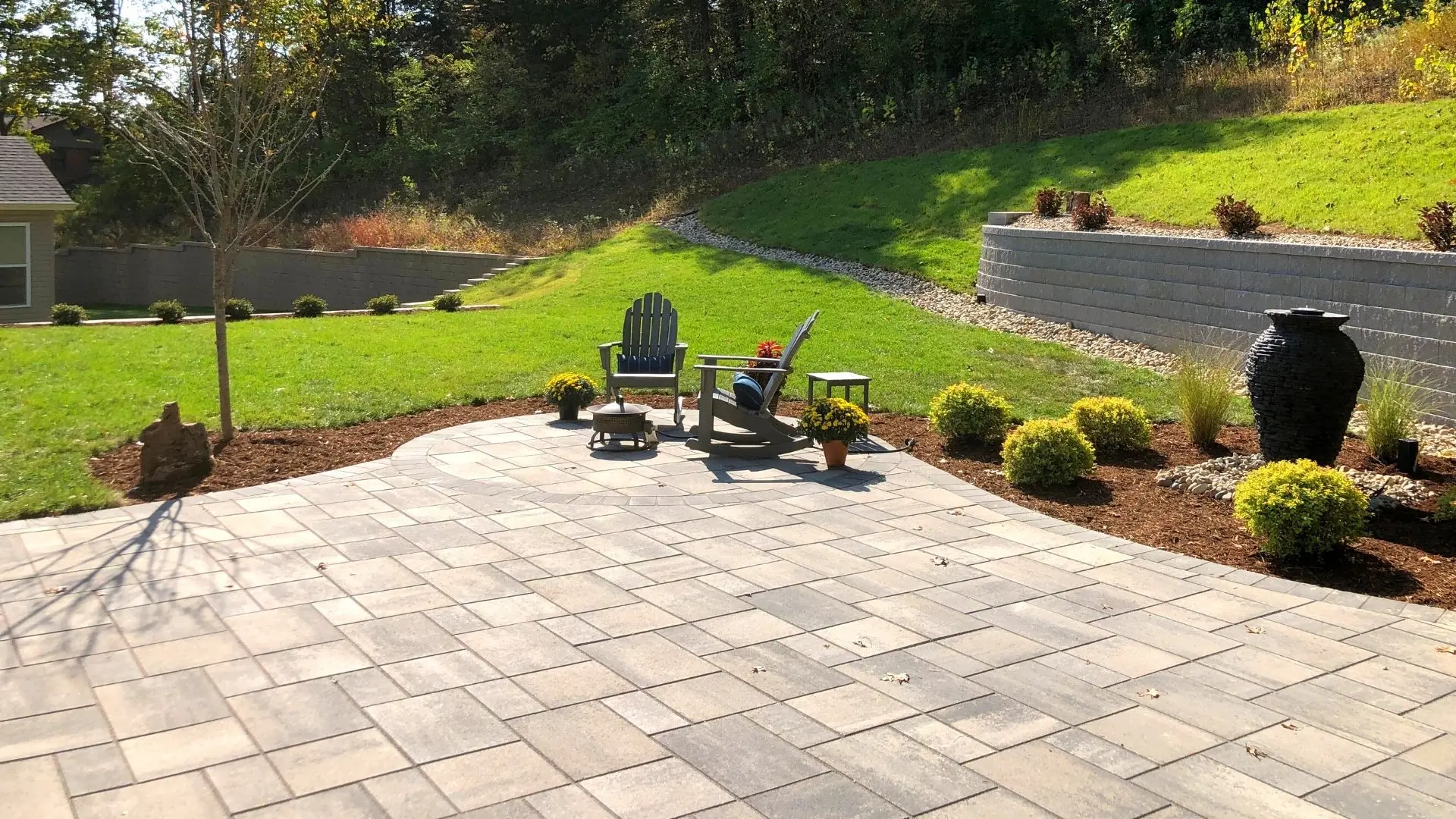
Key Points:
- St. Louis clay soil and freeze-thaw cycles require a deeper aggregate base to prevent cracking and shifting over time.
- Material choice heavily influences longevity, with interlocking pavers outlasting poured concrete by decades in our climate.
- Proper drainage solutions are non-negotiable for historic homes in neighborhoods like Webster Groves and Kirkwood.
Planning Your Patio Investment with Confidence
You are looking at your backyard and imagining a beautiful new space to relax with family, but you are secretly wondering if a new patio will just become another maintenance headache. Many homeowners in St. Louis have seen cracked concrete or uneven pavers in their neighbors’ yards and worry about making an expensive mistake. As outdoor living experts who have worked extensively in this region, we understand that anxiety completely. We are going to walk you through exactly what makes a patio last in our specific climate, what factors will influence your investment, and how to avoid the common pitfalls that plague poorly planned projects.
The Hidden Challenge of St. Louis Clay Soil
When we consult with homeowners in Clayton or Des Peres, the conversation often starts with the visible materials, but the real work happens underground. Our region is notorious for dense, clay-heavy soil that holds moisture and expands significantly. When winter brings our frequent freeze-thaw cycles, that moisture turns to ice and pushes upward.
If a patio is installed with a standard base meant for sandy soil, it will inevitably heave and crack within a few years. A true design-build firm knows that a lasting installation here requires excavation of six to eight inches, followed by a compacted aggregate base. This deep foundation allows water to drain properly and gives the surface room to flex without breaking.
Comparing Materials for the Midwest Climate
Choosing the right surface material is a critical decision that impacts both the initial investment and the long-term value of your home. We often help clients weigh the benefits of poured concrete against interlocking pavers.
| Material Type | Climate Resilience | Maintenance Needs | Long-Term Value |
| Poured Concrete | Prone to cracking during freeze-thaw cycles | Requires regular sealing and difficult to patch | Lower initial cost but shorter lifespan |
| Interlocking Pavers | Flexes with ground movement without breaking | Occasional joint sand replacement; easy spot repairs | High ROI; lasts for decades |
| Natural Stone | Highly durable but requires expert installation | Varies by stone type; generally low maintenance | Premium aesthetic and excellent longevity |
While concrete might seem appealing for a quick project, pavers offer a significant advantage in St. Louis. Because they are individual units, they can shift slightly with the ground movement rather than cracking under pressure. If a utility line needs repair or a single piece is damaged, you can replace just that section instead of tearing up the entire patio.
Navigating Historic Neighborhood Restrictions
Working in historic areas like Webster Groves or Lafayette Square presents unique challenges that go beyond simple construction. Many of these beautiful older homes have established root systems from mature trees and strict property line setbacks.
We frequently encounter situations where a modern outdoor living space must be carefully integrated without disturbing century-old oaks or violating local permitting rules. Proper planning involves mapping out root zones and ensuring that new hardscaping does not redirect water toward your foundation or your neighbor’s yard. This level of craftsmanship ensures your new space feels like a natural extension of your historic home.
What Actually Drives Your Project Investment
We believe in radical transparency when discussing the financial aspect of outdoor living spaces. The final investment for your project is rarely determined just by the square footage. The complexity of the design plays a major role; a simple square layout requires far less labor than intricate herringbone patterns or curved borders.
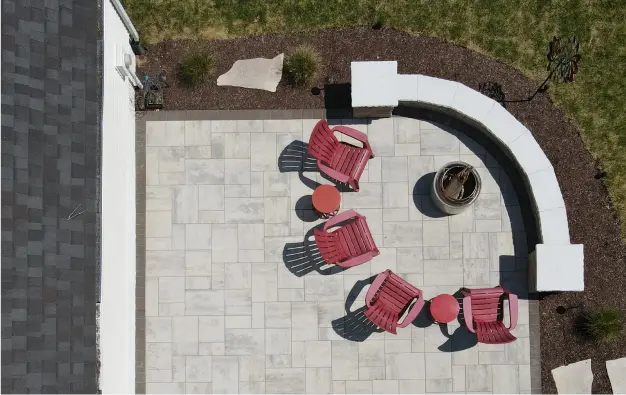
Site access is another major factor. If your backyard is only accessible through a narrow gate, materials must be moved by hand rather than machinery, which increases labor time. Additionally, incorporating features like seating walls, fire pits, or outdoor kitchens will elevate the craftsmanship required. Understanding these drivers helps you make informed decisions about where to allocate your budget for the best return.
The Rescue Landscaping Difference
At Rescue Landscaping & Outdoor Living, we believe that creating beautiful outdoor spaces should do more than enhance your home. With nearly 20 years of experience transforming over 800 St. Louis yards into luxurious retreats, we have learned that the best projects are built on a foundation of expertise, integrity, and purpose.
That is why every patio we design and install supports Stray Rescue of St. Louis, a local organization dedicated to providing food, medical care, and shelter for rescue dogs. When you choose Rescue Landscaping & Outdoor Living, your investment in your backyard directly impacts the lives of animals in our community. It is a simple concept: beautiful yards, bigger impact.
Our founder, Bobby Krull, has spent nearly two decades mastering the art of landscape architecture and outdoor living design. His work has been featured in major design publications and has earned him a dedicated following for his innovative approach to creating functional, stunning outdoor spaces. But beyond the accolades, Bobby’s true passion is helping homeowners like you enjoy the yards of their dreams while making a meaningful difference.
Planning Your Space with Confidence and Purpose
A well-designed patio is a significant investment that should bring you joy, not stress, for decades to come. By understanding the importance of proper base preparation, selecting climate-appropriate materials, and working with the unique characteristics of your property, you can create a lasting outdoor retreat.
When you partner with Rescue Landscaping & Outdoor Living, you are not just investing in your home. You are supporting a mission that matters. Our team of outdoor living experts is ready to help you design and build the backyard of your dreams while making a real difference for rescue dogs in St. Louis.
Schedule your consultation today and discover how we can transform your yard into a beautiful, functional space that reflects your values and lifestyle.
FAQ
Do I need a permit to build a patio in St. Louis?
Yes, most municipalities in the St. Louis area require a permit for patios over 200 square feet or those involving retaining walls and electrical work. We handle the permitting process to ensure all local codes are met.
How long does a typical patio installation take?
While simple projects might take a few days, a comprehensive outdoor living space with proper base excavation usually takes one to two weeks, depending on weather conditions.
Will a new patio fix the pooling water in my backyard?
A properly designed patio includes grading and drainage solutions that direct water away from your home and eliminate pooling, turning a muddy yard into usable space.
How does Rescue Landscaping support rescue dogs?
Every project we complete contributes to Stray Rescue of St. Louis, helping provide essential food, medical care, and shelter for rescue dogs in our community. When you invest in your outdoor space with us, you are directly supporting this important mission.