
Key Points
- The approach matters as much as the porch. A clear, well-proportioned walkway, defined planting, and a visible front door create a more welcoming first impression.
- Plan the arrival in layers. The best front porch design ideas connect the sidewalk or drive, walkway, entry landing, lighting, and planting rather than treating each element as a separate project.
- Keep weather and maintenance in view. St. Louis rain, leaf debris, shade, and changing temperatures should shape material, drainage, and lighting decisions from the beginning.
The Real Question Behind Front Porch Curb Appeal
You may be looking at your front porch and thinking it is technically fine but does not feel welcoming. The walkway may be narrow, the front door may disappear behind overgrown planting, or the area may look good in the daytime but feel uninviting after sunset. You do not necessarily need a complete rebuild to make the front of the home feel more intentional.
The real question is how to make the entrance feel connected to the home rather than like a collection of unrelated parts. The most successful front porch design ideas do not begin with a single decorative item. They begin with the path a visitor takes, the view from the street, and the way the front entry functions in every season.
This guide offers practical porch remodeling ideas for St. Louis homeowners, including walkway design, planting, lighting, covered-entry planning, and details that can improve curb appeal without making the porch feel overdone.
Start with the Path to the Porch, Not the Porch Decor
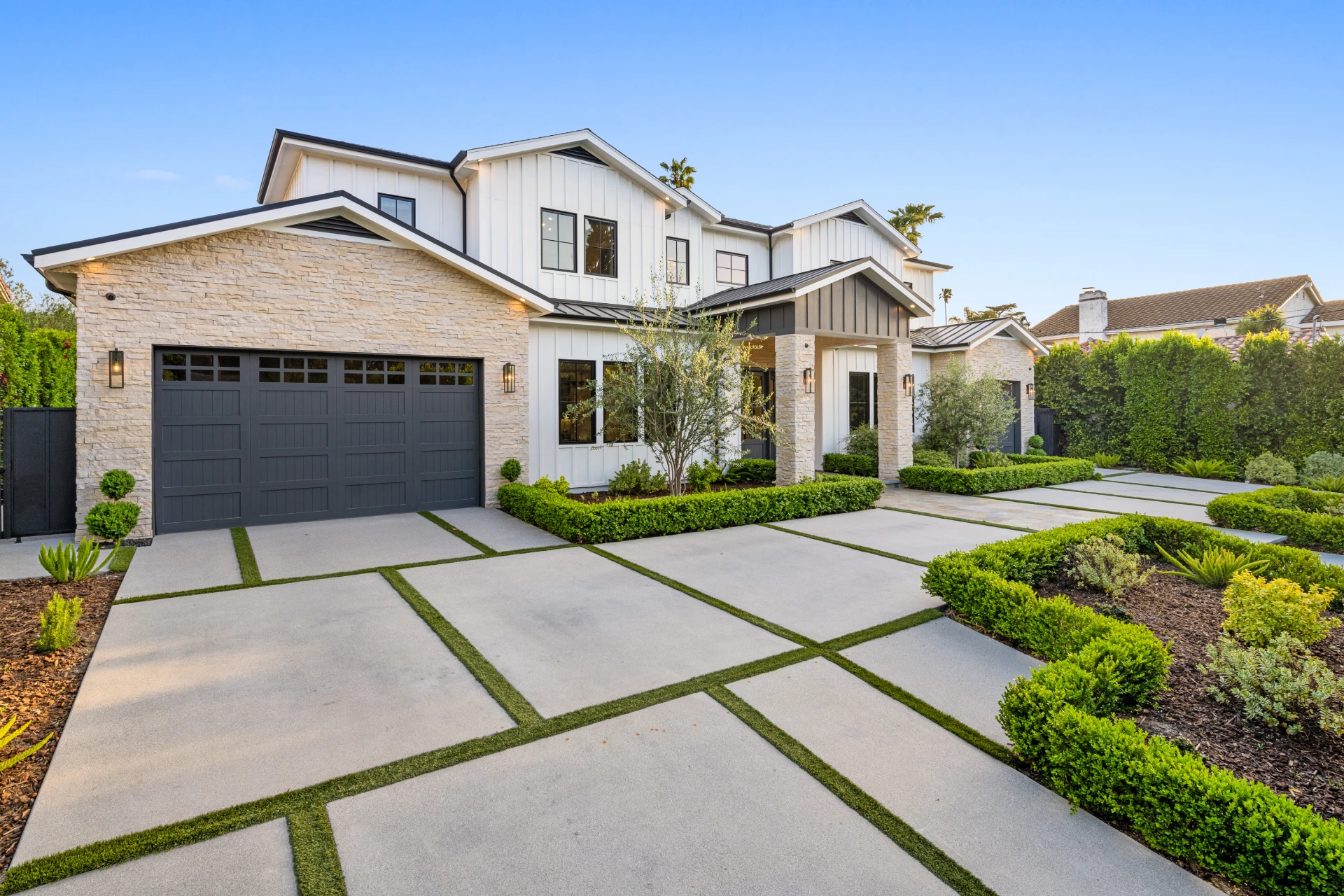
A front porch is the destination, but the walkway is the invitation. When a path is too narrow, uneven, poorly aligned, or visually disconnected from the entry, even a well-kept porch can feel unfinished. A deliberate path gives the entrance direction and makes the front yard easier to navigate.
A curved walkway can soften a wider front yard, while a direct path may suit a more formal home. The best choice depends on the architecture, setbacks, mature trees, and the practical route people already take from the drive or sidewalk. The goal is not to force a decorative curve. It is to create an arrival that feels natural and safe.
Materials also shape the character of the entry. Brick can complement traditional St. Louis homes, while pavers offer a range of colors and patterns that can be coordinated with the porch, landscaping, and home exterior. Explore our custom walkway installation services to see how a front path can connect entryways, gardens, and other outdoor spaces.
Make the Front Porch Easy to See From the Street
Front porch curb appeal improves when visitors can immediately understand where to go. That sounds obvious, but it often gets lost when shrubs grow too tall, beds lack structure, or a path ends without a clear transition to the entry.
Start by standing at the curb and looking toward the front door. Ask whether the door is visible, whether the walkway has a clear destination, and whether the planting frames the home rather than covering it. This viewpoint is more useful than choosing plants or pots one at a time.
A simple hierarchy usually works best. Keep lower planting closer to the front walk, reserve taller shrubs or ornamental trees for broader corners, and leave enough open space near steps, railings, and the door to make the entry feel accessible. A cohesive landscape design and installation plan can bring those details together before planting or hardscape work begins.
Use Front Porch Lighting for an Entrance That Works After Sunset
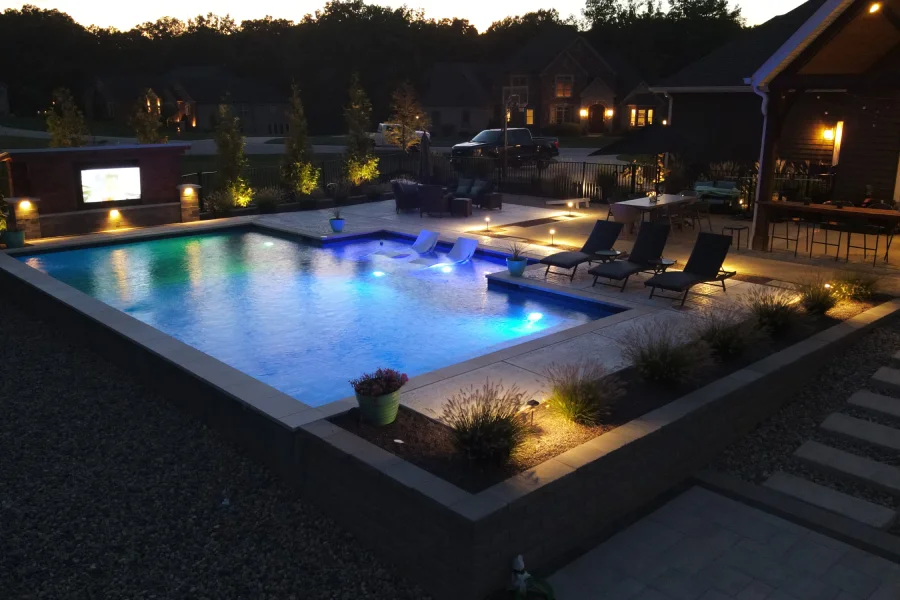
Daytime curb appeal matters, but a front entry should also be easy to use after dark. Lighting can help people see the path, navigate changes in elevation, and recognize the front door without turning the house into a brightly lit display.
Start with function. Path lights can define a walkway, while subtle uplighting can highlight an architectural feature or specimen tree near the entry. A properly placed fixture at the porch or door makes arriving home more comfortable and gives guests a better sense of where to go.
The key is restraint. Too many fixtures, overly bright bulbs, or lights aimed into windows can make the front of the home feel busy rather than welcoming. Our landscape lighting services can help you plan pathway, accent, and security lighting that serves the entry without competing with it.
Covered Front Porch Ideas Should Solve a Real Comfort Problem
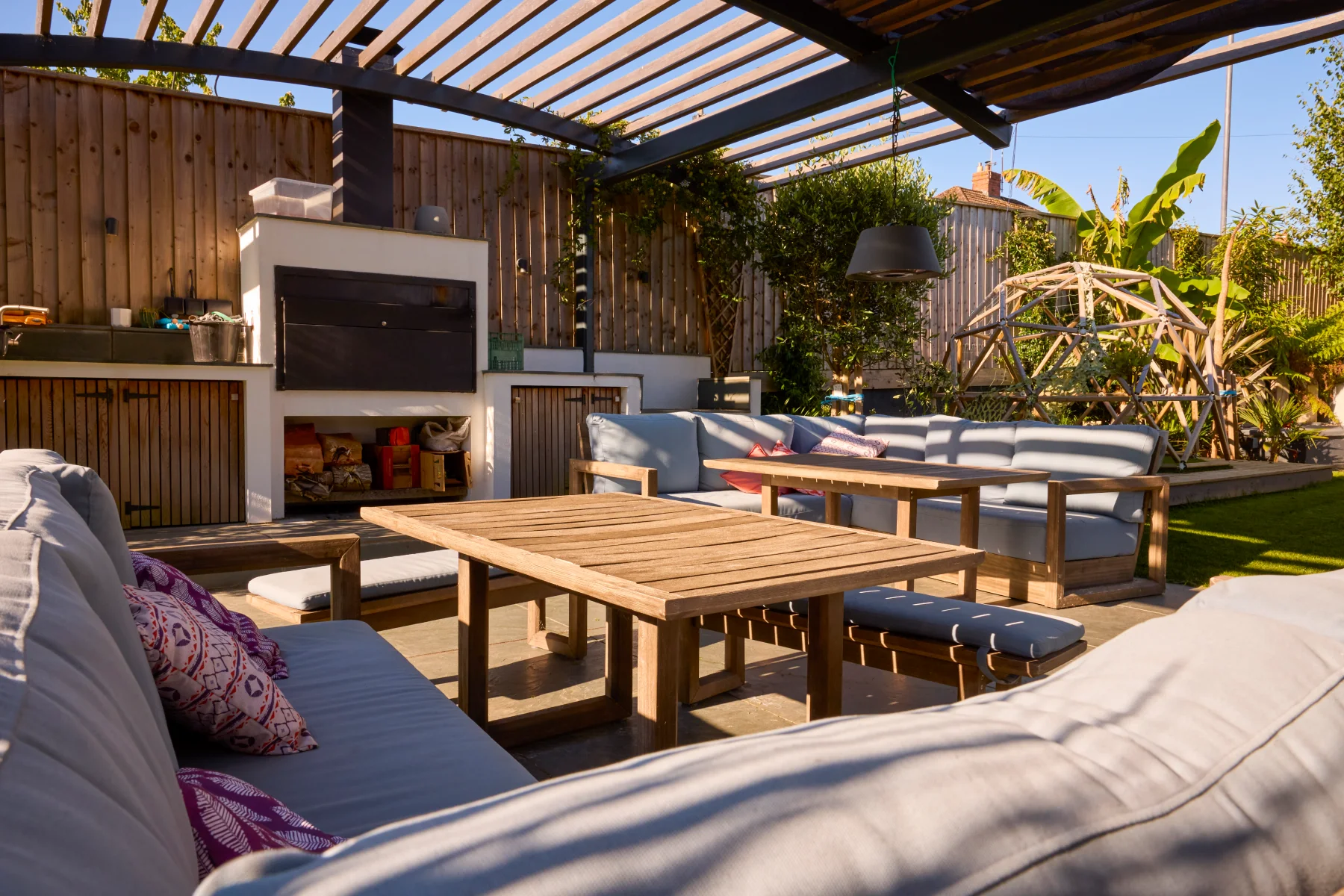
Covered front porch ideas are most effective when they address how you actually use the entry. A covered space can provide relief from rain while unlocking the door, shade during a hot afternoon, or a more sheltered place for seasonal décor. It can also change the visual weight of the front of the home, so proportion and roofline deserve careful consideration.
Rescue Landscaping’s outdoor structures include pergolas, gazebos, pavilions, and deck covers. Those structures can provide shade and comfort in appropriate outdoor settings. If you are considering a structural front porch addition, its roofline, columns, footing needs, water management, and local approval requirements should be planned with the qualified professionals responsible for that scope.
The practical lesson is to decide early whether you need more shade, more weather protection, or simply a better-designed landing and approach. These are different goals, and each calls for a different design response.
Porch Remodeling Ideas That Do Not Require Starting Over
A front-porch refresh can be meaningful without becoming a complete addition. The most effective projects tend to focus on the elements that shape the first impression and daily use.
| Design Move | What It Improves | When It Makes Sense |
|---|---|---|
| Replace or rework the front walkway | Arrival, safety, and visual connection to the street or drive. | The existing path is narrow, uneven, poorly aligned, or does not fit the style of the home. |
| Create defined planting beds | Color, seasonal interest, and a clearer frame for the porch. | Shrubs are overgrown, the foundation disappears, or the yard lacks structure. |
| Add layered lighting | Evening safety, visibility, and architectural emphasis. | The entry feels dark, steps are hard to see, or the home loses definition after sunset. |
| Improve the landing and transition | Comfort at the door and a more intentional connection between path and porch. | The walkway ends abruptly or guests crowd around a small landing. |
| Plan shade or weather protection | Comfort in rain and direct sun. | The entry is exposed and the design supports a properly planned covered feature. |
This is where a design-first approach can prevent costly second guesses. A 3D plan allows you to see the walkway, plantings, lighting, and entry relationships before installation. Read more about how 3D landscape design can save homeowners money by helping them make layout and material decisions before construction begins.
A Real Front Porch Walkway Story: From Too Many Options to a Clear Arrival
When Chad Beck first reached out to Bobby, the project was focused on a paved walkway to the front porch. The review does not describe the property, material selection, or broader landscape scope. What it does make clear is that the homeowner wanted help working through the choices before moving forward.
Chad wrote that Bobby was “very patient with me” and provided “multiple options until we made a decision.” That detail matters because a front entry project often involves more than picking a paving material. The path has to relate to the porch, the yard, the home’s style, and how people naturally approach the door.
According to Chad, communication remained central throughout the process. He described the experience as “very thorough and communicative,” and said the crew was “very professional and exceptionally nice.” The finished walkway “turned out great,” and Chad said he was pleased with the result.
Practical takeaway: Do not rush the decision just because a front walkway looks like a simple project. Reviewing more than one appropriate option, then choosing the one that fits the entry and the property, can make the result feel intentional for years rather than temporary on day one.
Review source: Read Chad Beck’s original Google review.
Do Not Let Drainage Undercut a Better Front Entry
Front porch ideas are often discussed as a style decision, but water deserves equal attention. If the walkway slopes toward the home, downspouts empty near the entry, or water collects beside steps, a new surface or planting bed can create problems if it is not designed around drainage.
This is particularly important where the front yard has noticeable elevation changes or the soil stays damp after a storm. Before expanding a path or changing a planting bed, identify where water comes from and where it needs to go. A retaining wall and drainage solution may be appropriate on sloped properties, while other yards need grade corrections or a more thoughtful path layout.
For a closer look at the issue, see our guide on why St. Louis homes need proper drainage. Addressing water early protects both curb appeal and the investment you make in the front entry.
A Front Porch Design Checklist Before You Begin
Use this checklist before your consultation. It will help you identify what is working, what is not, and which improvements belong in the same plan.
| Ask Yourself | Why It Matters |
|---|---|
| Can a first-time visitor see the front door clearly from the curb or drive? | A visible entry improves wayfinding and makes the front of the home feel more welcoming. |
| Does the existing walkway have enough room for people to pass comfortably? | Width, alignment, and landing space affect how the entry feels and functions. |
| Where does water move after a heavy rain? | Drainage must be considered before changing walkways, beds, or entry elevations. |
| Does the porch feel dark or hard to navigate at night? | It may indicate a need for pathway, step, or accent lighting. |
| Are planting beds framing the home or hiding the porch? | Plant scale should support the architecture and keep the entry visible. |
| Do you need shade, rain cover, or simply a more usable porch landing? | This clarifies whether a structural solution is needed or a smaller front-entry update will meet the goal. |
| Are you considering future changes to the front yard? | A unified plan keeps future walkways, lighting, and planting from feeling pieced together. |
Build a More Welcoming Arrival, Not Just a Prettier Porch
The best front porch design ideas strengthen the full arrival experience: the walk to the door, the way the home is framed, the safety of the entry after dark, and the comfort of using it in changing weather. Start with the elements that improve function, then add the details that reflect your style.
At Rescue Landscaping & Outdoor Living, we help St. Louis homeowners design front-yard walkways, planting, lighting, and connected outdoor spaces that feel right for the home. During a consultation, we can help you evaluate your front entry, identify the site conditions that matter, and build a clear plan for improving curb appeal. Every project also supports local dog rescues. Contact us to start planning your front entry.
Frequently Asked Questions About Front Porch Design Ideas
What are the best front porch ideas for improving curb appeal?
The highest-impact improvements are usually a clear walkway, an entry that is visible from the street, planting that frames rather than hides the home, and lighting that makes the approach easy to use at night. The best combination depends on the home’s architecture, the size of the front yard, and existing drainage or elevation conditions.
How can I update my porch without building a front porch addition?
Start with the approach and surrounding landscape. A new or improved walkway, a better landing transition, refreshed planting beds, and well-placed lighting can make a major visual difference without changing the structure of the porch. If shade or weather protection is the goal, evaluate that need separately before committing to a larger structural addition.
Should front porch lighting match the rest of the landscape lighting?
It should feel coordinated, but it does not need to be identical. Front-porch and entry lighting should prioritize safe navigation and a visible door, while landscape lighting can add depth by highlighting planting, trees, and architectural features. A unified plan keeps the fixtures, brightness, and color temperature from competing with one another.